

A 101 guide to effective patient communication in healthcare

Share:

Copy link

Share via Telegram

Share on Facebook

Share on LinkedIn

Share via WhatsApp

Share on X

Share via Email

Table of contents
Every meaningful healthcare interaction starts with a conversation. Whether it’s explaining a diagnosis, walking patients through a treatment plan, or addressing worries, the way doctors communicate directly influences how patients grasp the information and follow prescriptions.
So how can healthcare professionals (HCPs) get this right? Well, effective clinical patient communication isn’t just about choosing the right words. It’s a strategy aimed at building trust. In this guide, we’ll explore the essential skills and techniques that help HCPs communicate with confidence and clarity. We’ll also discuss how the latest visual aid tools, like VOKA, enhance patient education and support truly patient-centered care.
Why is communication essential in patient care?
Typical therapeutic communication can run the risk of sounding dry and being received as such. But when it’s delivered clearly and concisely, the whole dynamic of the conversation shifts.. When a patient understands what’s happening to them, or with them, they feel more confident to speak up, ask questions and take control of their health. This makes everything from diagnosis to recovery smoother for all parties. Here’s how strong communication directly impacts care:
-
Enhancing diagnostic accuracy: Open conversations help clinicians gather the details they need for an accurate diagnosis. Patients are more likely to share symptoms, daily habits, or even sensitive concerns when they are at ease. This gives the doctor a clearer clinical picture from the start.
-
Building trust and improving the patient experience: Trust grows when patients feel respected and truly heard. If a conversation is supportive, people tend to share what’s really bothering them or ask questions they might otherwise hold back. Such positive experiences build a stronger doctor-patient relationship.
-
Reducing medical errors: Misunderstandings are a major source of medical mistakes. When communication is rushed, important details can be missed on both sides. Clear explanations, confirm-back questions, and open dialogue reduce confusion and disputes that can lead to complaints or malpractice risks.
-
Improving treatment adherence and long-term wellness: Better communication in patient care leads to positive health outcomes. If the treatment plan is explained in simple, jargon-free language, patients better grasp the instructions and stay committed to the recommended steps.
Must-have skills for effective patient care
How doctors communicate is just as important as what they prescribe. In this section, we’ll go over the key soft skills every healthcare provider should master to connect with patients:
Active listening
Active listening means truly hearing what patients are saying. And it’s not just about listening to words. Healthcare professionals also need to notice pauses, emotions, and subtle hints that may reveal important details about a patient's health or concerns.
For example, a patient might downplay a symptom out of embarrassment, or mention a side effect casually, thinking it’s not important. Picking up on these cues makes a big difference in diagnosis.
Plus, active listening techniques involve responding in a way that shows you understand. Simple gestures like nodding, summarizing what the patient said, or asking clarifying questions signal that their voice matters. When HCPs genuinely listen to patients, they’re more willing to share sensitive information that helps in diagnosis.
Empathy and compassion
Showing empathy means more than being polite; it’s truly acknowledging patients’ feelings. When recognizing their worries and frustrations, doctors have to learn to respond in a supportive way. This builds trust and encourages honest communication.
Even small gestures matter. Listening without interrupting, validating concerns, or simply saying, “I understand why that worries you,” can reassure patients that their emotions are legitimate. Compassionate communication also helps patients be more confident discussing sensitive topics during an appointment.
Using clear, jargon-free language
Medical terms can be confusing or intimidating for patients who aren’t familiar with healthcare language. Using plain, simple words to explain conditions, procedures, or treatments helps patients understand why each step matters. When instructions are easy to follow, patients are more likely to take medications correctly and adhere to treatment plans at home.
Clear communication also reduces misunderstandings. Taking a little extra time to explain things in everyday language ensures that patients leave the appointment feeling informed rather than overwhelmed. Visual aids, analogies, or short summaries support patient education and help them make better decisions about their health.
Non-verbal communication
Body language, eye contact, facial expressions, and even posture all send messages to patients. A friendly tone combined with open, relaxed body language makes patients feel safe and understood, while crossed arms or avoiding eye contact may create distance or discomfort.
Non-verbal communication also helps convey empathy, calm nervous patients, and create a welcoming environment. In short, how you communicate without words can significantly affect how patients perceive their care.
Cultural competency
Patients come from diverse backgrounds with different beliefs, languages, and expectations about healthcare. Respecting these differences helps avoid misunderstandings and makes communication more effective. Cultural competency allows providers to tailor explanations and interactions so that each patient feels seen, understood, and respected.
Effective patient communication techniques
Utilizing modern visual aids to simplify complexity
Now that we’ve explored the essential soft skills, it’s time to see how they can be applied. In this section, we’ll cover best practices that make patient interactions clearer and more engaging.
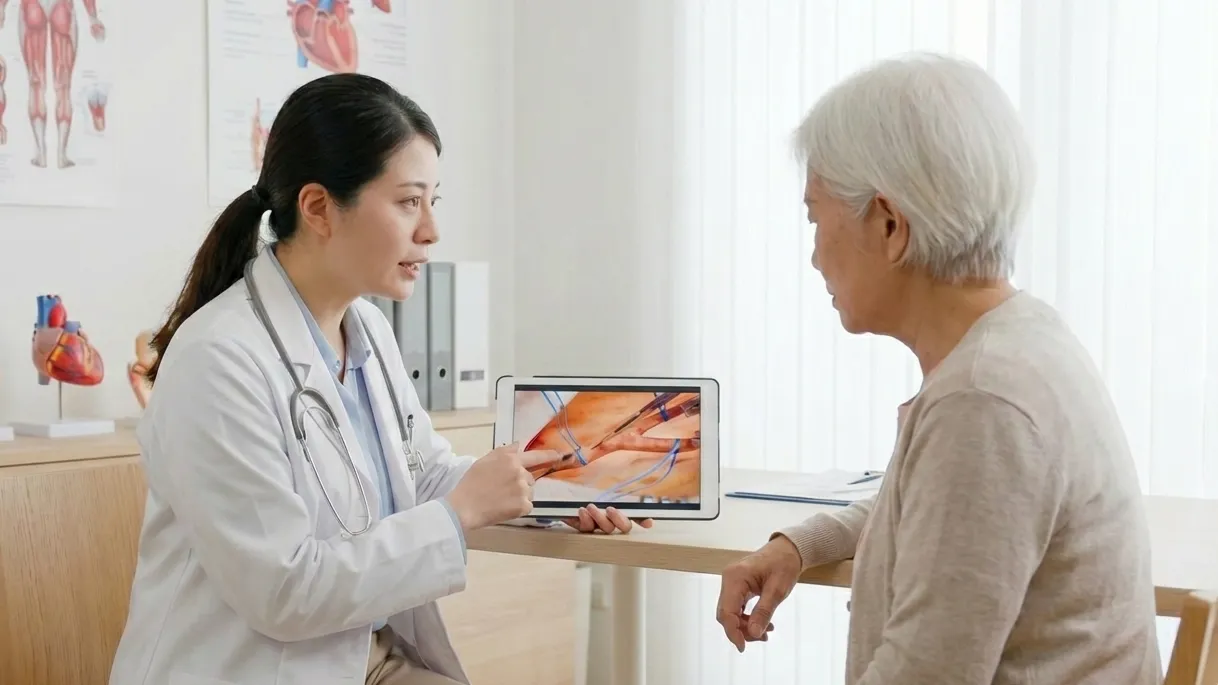
Interactive 3D models help patients see and grasp anatomy and diseases. Patients can also explore 3D models themselves, rotating and zooming to get a better sense of anatomical structures or common pathologies. This hands-on interaction gives them a clearer picture of how things work in the body.
A doctor can use tools like VOKA 3D Anatomy & Pathology to visually walk patients through a diagnosis or upcoming procedure, transforming a potentially confusing conversation into a collaborative session.
Alternatively, HCPs can back up their explanations with short, high-quality videos from a trusted source, like the VOKA YouTube channel. For example, a doctor might show a surgical animation to illustrate how a procedure will be performed, or a mechanism-of-action (MoA) animation to explain how a medication works in the body. These visual examples make complex concepts tangible and help patients remember key details.
Providing trusted digital resources
Even after a thorough explanation, patients may forget details or have questions later. Supplementing verbal instructions with links to reliable resources reinforces what was discussed and prevents them from turning to potentially inaccurate sources online.
Trusted websites or digital guides allow patients to review information at their own pace and participate in adjusting their care. Directing patients to a specific page on a resource like the VOKA Wiki ensures they receive accurate, trustworthy information and reinforces your recommendations.
The "teach-back" method
The teach-back method is a simple but powerful way to make sure patients truly understand what they’ve been told. After explaining a diagnosis, treatment plan, or instructions, the provider asks the patient to repeat the information in their own words. This shouldn’t be like a test, but it’s a way for the doctor to identify any points that need further explanation.
Here are a few open-ended questions doctors can use:
-
What steps will you follow after your procedure?
-
How will you take this medication at home?
-
Can you tell me what signs or symptoms you should watch for?
By incorporating this method into routine communication with patients, healthcare providers can reduce errors and support more patient-centered interactions.
This technique is also invaluable when obtaining informed consent, as it’s important to ensure that patients fully understand procedures, risks, and benefits before agreeing to treatment.
Use of analogies and metaphors
Complex medical concepts are hard for patients to grasp, even with clear explanations. Using analogies and metaphors helps translate these ideas into everyday language.
For example, a doctor might explain how the heart pumps blood by comparing it to a water pump, or describe how insulin works in the body by likening it to a key that unlocks doors for sugar to enter cells.
Analogies simplify complex topics. If patients visualize the process, they can relate it to something familiar and have stronger confidence in their understanding.
Using stories and examples to explain concepts
Telling short stories or giving simple examples helps patients see how treatments work in real life, why they matter, and which practical takeaways they can apply to their own care.
Instead of just listing facts, a doctor might share a story about a patient who lowered their blood pressure through diet and exercise, or show how a treatment helped someone with a similar condition.
They also make the conversation more engaging and encourage patients to share their own experiences. By connecting medical advice to relatable situations, storytelling helps patients stay motivated in managing their health.
How to overcome key barriers in patient communication
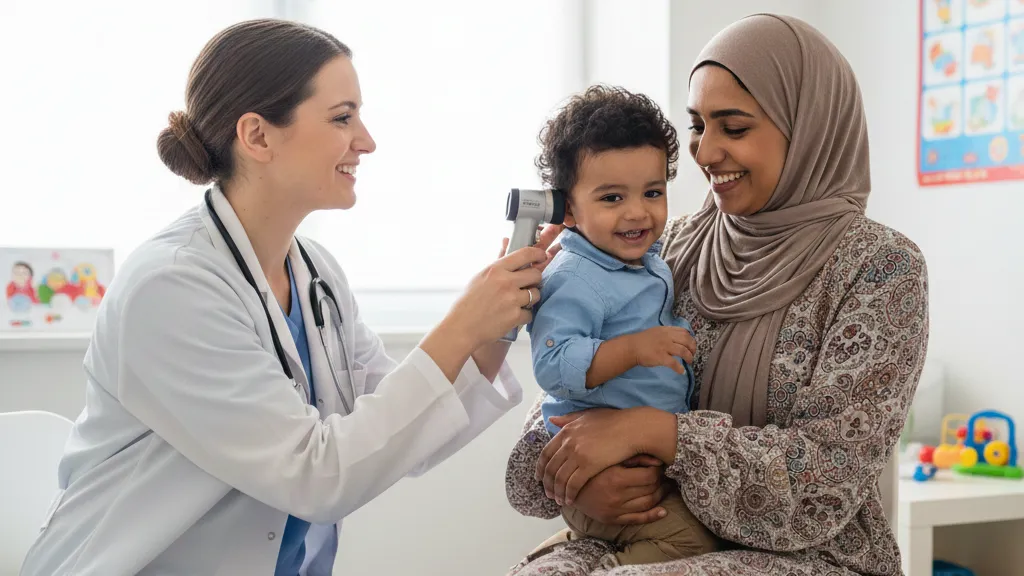
Even the best communication skills face challenges. Time constraints, language differences, varied health literacy, or anxious patients can make conversations tricky. In this section, we’ll look at practical ways to tackle these barriers.
Addressing time constraints
Many healthcare providers simply don’t have the time to communicate more thoroughly. Short appointments, busy schedules, and unexpected questions make it hard to cover everything. Still, even with limited time, there are ways to keep communication clear.
Let’s discuss some practical tips for busy appointments:
-
Use simple, direct language. Clear explanations save time because they reduce confusion and follow-up questions.
-
Prioritize the “must-know” points. If time is tight, focus on the essentials — what the patient needs to do, watch for, or decide today.
-
Use visual aids to speed up explanations. A quick look at a 3D model can clarify a concept faster than a long verbal explanation.
-
Offer take-home resources. Handouts, links, or short videos allow patients to review information later instead of trying to absorb everything in a few minutes.
By using these simple habits, clinicians can make the most of short visits while still providing supportive communication.
Bridging language and cultural gaps
Language differences and cultural expectations can easily create misunderstandings in patient care. A patient may nod politely without truly following the instructions, or hesitate to ask questions because they’re unsure how to express themselves. Being mindful of these gaps helps create a more respectful interaction.
Here are a few practical ways to bridge these gaps:
-
Use professional interpreters when possible. Family members may be eager to help, but trained interpreters ensure accuracy and protect patient privacy.
-
Speak slowly and use simple vocabulary. Short sentences and plain language make conversations clearer for patients who are not fluent.
-
Check for understanding gently. Ask questions like, “Is this explanation clear?” or “Should I repeat any part?” rather than “Do you understand?”
-
Be aware of cultural norms. Eye contact, personal space, decision-making roles, and attitudes toward illness vary across cultures. A bit of flexibility goes a long way.
-
Use visualizations to overcome language barriers. Animations and videos can communicate complex ideas without relying heavily on spoken language.
By taking small steps to respect language and cultural differences, healthcare providers can create a more inclusive patient care communication for everyone.
Managing patients with low health literacy
Many patients struggle with medical terms, instructions, or even basic health concepts. This doesn’t mean they’re not engaged; it means the information needs to be delivered in a more accessible way. When patients aren’t fully comfortable with medical language, they may stay quiet, guess the meaning, or misinterpret important details.
Here are simple ways to support patients with low health literacy:
-
Break information into small steps. Instead of long explanations, share one key point at a time.
-
Use everyday language. Replace medical terms with familiar words and analogies whenever possible.
-
Encourage questions. Try questions like “What questions do you have?” instead of “Do you have questions?”
And most importantly — use visuals. Visualizing a condition with a tool like VOKA 3D Anatomy & Pathology removes the barrier of medical jargon and gives patients a clearer picture.
Communicating with anxious or emotional patients
Anxiety, fear, or strong emotions prevent patients from absorbing information or asking questions, especially after a serious diagnosis. Recognizing and addressing emotions makes it easier to guide them through the next steps.
Some practical tips for handling emotional patients include:
-
Acknowledge emotions first. Simple statements like “I can see this is worrying for you” or “It’s normal to feel anxious about this” help patients reduce anxiety.
-
Maintain a calm and steady tone. Your composure gives the patient a sense of confidence.
-
Encourage repetition. Ask the patient to summarize or repeat instructions to confirm understanding.
-
Offer written or visual resources. Handouts, diagrams, or 3D models allow patients to revisit information once they feel calmer.
Acknowledging emotions helps doctors keep anxious patients involved in their care and make it easier for them to follow treatment instructions.
Wrapping up
Effective patient communication in healthcare is a skill that should be learned, practiced, and refined. By focusing on core patient communication skills such as active listening, clear language, non-verbal communication, and cultural competency, healthcare providers can build stronger relationships, enhance diagnostic accuracy, and improve treatment adherence.
Techniques like the teach-back method, open-ended questions, storytelling, and the use of medical visualizations or digital resources further ensure that patients truly understand their condition and care plan.
If you want to bring visual tools into your patient visits, VOKA 3D Anatomy & Pathology is a powerful solution, featuring a wide range of interactive 3D models. Using VOKA alongside traditional communication skills helps doctors provide engaging consultations and support patients in taking an active role in their care.
FAQ
1. What is the most crucial patient communication skill?
The most important skill is active listening. Paying full attention to the patient, noticing verbal and non-verbal cues, and responding appropriately builds trust and strengthens the doctor–patient relationship.
2. How can I explain a complex diagnosis without confusing my patient?
Use clear, jargon-free language, analogies, and visuals. Tools like VOKA 3D Anatomy & Pathology or short educational videos make complex concepts easier to understand, supporting effective communication with patients and ensuring patients leave the clinic confident in their treatment plan.
3. How to improve communication when I only have 15 minutes per patient?
Prioritize the patient’s main concern, use concise explanations, and focus on key takeaways. Techniques like the teach-back method or quick visual aids help confirm understanding efficiently. Supplement verbal instructions with written or digital resources to make the most of limited time.
4. How is technology changing patient communication?
Technology transforms patient care communication by making information more accessible and engaging. Interactive 3D models, educational videos, and patient portals enhance healthcare patient communication and streamline understanding, and support better adherence to treatment plans.
5. What is the best way to deliver bad news?
Combine honesty with empathy. Prepare the patient, use simple language, allow time for questions, and provide follow-up resources. Applying patient communication strategies and visuals can help patients process difficult news and participate actively in their care.
6. How important is non-verbal communication?
Non-verbal cues like eye contact, gestures, posture, and facial expressions are critical in clinical patient communication. They reinforce verbal messages, demonstrate attentiveness, and build trust, improving communication in patient care.

Share
Table of contents
Thank you for your comment!
Your comment has been submitted for moderation and will be published soon. We'll email you once it’s live.