

Ace your A&P: how to study and pass anatomy & physiology

Share:

Copy link

Share via Telegram

Share on Facebook

Share on LinkedIn

Share via WhatsApp

Share on X

Share via Email

Table of contents
Anatomy and physiology (A&P) are essential yet challenging subjects for anyone entering the medical, nursing, or health sciences field. With a vast amount of scientific terminology, complex physiological processes, and intricate anatomical structures, it’s easy to feel overwhelmed. That being said, many students struggle not because the material is too complicated, but because they haven’t found the most effective ways to study and retain it.
This article is designed to help you master A&P with confidence. You’ll find proven tips for studying anatomy and physiology effectively, as well as strategies for tackling your exams. We’ll guide you step by step to understand, memorize, and excel in anatomy and physiology. By following these methods, you can turn a seemingly daunting challenge into a manageable and rewarding learning journey.
The critical role of A&P in medical studies
Anatomy and physiology aren’t throwaway classes. They’re a “gateway course” for medical and health sciences students. Without passing A&P, it’s practically impossible to progress in medicine, nursing, or allied health programs. That’s why students often ask not just how to learn anatomy and physiology, but also how to pass anatomy and physiology on the first attempt.
Let’s discuss why A&P stands apart from most other courses:
-
Сombines multiple sciences: Anatomy and physiology aren’t isolated subjects — they draw on biology, chemistry, and even physics to explain bodily functions. Because you’re constantly applying concepts from different fields at once, it makes the learning curve steeper compared to single-discipline courses.
-
Requires both memorization and understanding: Students are tasked with mastering hundreds of anatomical terms, many derived from Latin and Greek vocabulary (which aren’t necessarily embedded into our vocabularies), but memorization alone won’t carry you through. To prove real understanding, exams will often test whether students can explain how and why systems interact, further cementing their knowledge.
-
Demands 3D visualization: Unlike courses that rely mostly on text or formulas, A&P challenges you to picture organs, tissues, and cells in spatial relationships. Depending on your learning style (some of us prefer visual aids over written ones), your biggest challenge can be finding companion learning tools that simplify and solidify learning.
-
Includes lab and practical exams: Medical students are no strangers to theory and written exams, but A&P also assesses students on real or virtual cadavers or models. Success in A&P is two-fold then, with solid theoretical knowledge under your belt, but also the ability to identify structures quickly and accurately under exam pressure.
How to prepare for anatomy & physiology: basic plan
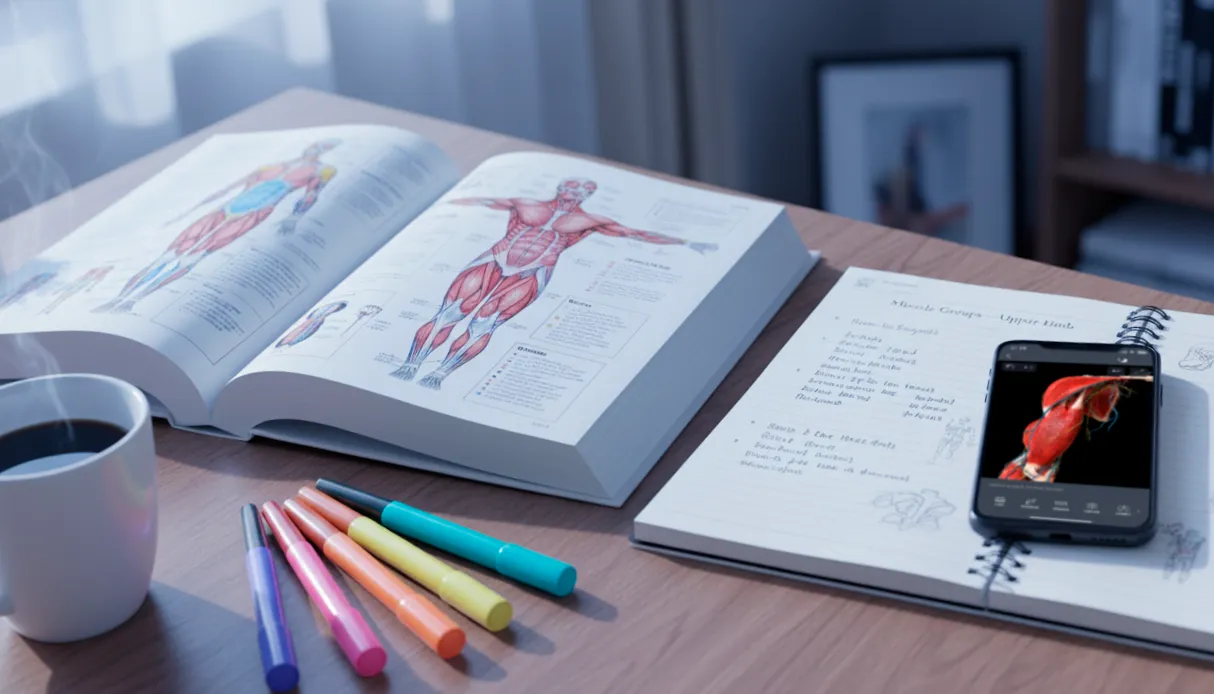
We’ve all been guilty of putting off studying until the late hours the night before an exam; however, that’s not a strategy for success we can endorse when it comes to A&P. Due to the sheer volume and complexity of the material, it’s much more fruitful to have an anatomy and physiology study guide that tracks and encourages steady progress.
To put this into practice, here’s a generic step-by-step framework to help you organize and prepare effectively:
Step 1: Map out the curriculum and identify key systems
Start by reviewing your anatomy and physiology course outline. What you want to do here is break the subject into major body systems, such as cardiovascular, nervous, digestive, etc, and rank them by which topics carry the most weight in assessments. This creates a roadmap and helps prioritize your time.
Step 2: Allocate weekly study time for each topic
Consistency is the key to doing anything well. Having a realistic plan that accounts for your unique schedule is your best chance at sticking to study sessions. Block out regular time slots in your calendar for specific systems or chapters. Rather than putting it off and piling up study time, you’ll find that smaller, focused sessions are far more effective than marathons, and on top of that, you prevent burnout.
Step 3: Schedule regular review sessions
Given how much you’ll need to learn, anatomy and physiology require repetition to truly engrain knowledge. Therefore, it’s best practice to revisit past material weekly using techniques like spaced repetition or quick self-quizzes. This ensures that past topics remain fresh as you gradually move onto new ones.
Step 4: Track your progress and adjust
Keep a checklist or progress log to track which systems you’ve mastered and where you’re struggling. If one topic consistently feels unclear — for example, neuroanatomy or endocrine physiology — reallocate extra time and utilize additional resources (videos, guides, etc). Once you have a basic plan in place, the next step is to apply specific study strategies and techniques that make studying and memorizing anatomy and physiology easier.
Tips for studying anatomy & physiology
The key to avoiding overload while studying A&P is to mix things up, try combining regular study sessions with active learning strategies and reliable resources. This multi-pronged approach makes the process more enjoyable, more efficient, and helps the knowledge stick for the long term. The strategies involve:
Engaging with visuals
Visual learning is one of the best ways to study anatomy and physiology because it turns abstract concepts into something you can actually see. High-quality interactive 3D human anatomy models and realistic 3D animations let you explore the human body from different angles and make complex systems easier to understand.
Interactive learning tools are invaluable for how well they solidify study. With VOKA 3D Anatomy & Pathology you can virtually dissect models, highlight structures in color, or use a 2D/3D pen to add your own notes. This active approach keeps you engaged and helps cement the knowledge far better than passive observation.
Always connect structure with function
Anatomy and physiology are inseparable: every structure exists to perform a function. When you learn about an organ, tissue, or system, always ask yourself “What does this part do?” and “How does its structure make that function possible?”
For example, understanding the alveoli in the lungs is easier when you connect their thin walls directly to their role in gas exchange. Linking structure to function not only deepens understanding but also makes recall more natural.
Apply knowledge
Studying A&P is about using what you learn. Put your knowledge into practice by solving case studies, answering practice questions, or testing yourself with “what if” scenarios. For instance, if you’re studying the cardiovascular system, think through what happens to blood pressure if an artery narrows.
You can also apply knowledge interactively with tools like VOKA 3D Anatomy & Pathology, where you explore a model and then explain it back in your own words. This active use of information strengthens memory and builds confidence.
Regular review sessions
Cramming may get you through a quiz, but long-term mastery requires consistent review. Instead of revisiting material only before exams, build short sessions into your weekly schedule. Review tools like spaced repetition apps (e.g., Anki, Quizlet) can help reactivate old knowledge at the right intervals.
To make reviews even more effective, keep a simple “review log” where you track which topics feel weaker and need extra attention. Resources like VOKA Wiki make this process even easier, as after reading each article, you can take short quizzes to test your understanding and reinforce new information immediately. By targeting your weak areas and returning to them regularly, you’ll steadily shift knowledge from short-term memory into long-term understanding.
Tips for memorizing anatomy & physiology
Complex terms and processes are a key challenge when you need to memorize anatomy and physiology. Structured memory techniques help students retain large amounts of information efficiently.
Mnemonics
Mnemonics simplify the memorization of complex anatomy and physiology details by transforming raw data into easy-to-recall words, phrases, or images. Instead of memorizing long lists, you create associations that make the information “stickier” in your mind.
-
Create acronyms or phrases to remember sequences (e.g., cranial nerves, muscle groups, steps in a physiological pathway).
-
Use visual mnemonics by linking structures with familiar objects or symbols (e.g., a bone shaped like a key = “clavicle,” derived from the Latin clavis, meaning key).
-
Personalize mnemonics so they resonate with you — the more unusual, the better for recall.
Flashcards and spaced repetition
Flashcards are a classic study tool because they break big topics into bite-sized questions and answers. Paired with spaced repetition systems, they help move knowledge from short-term to long-term memory.
-
Use digital apps like Anki or Quizlet to automate spaced repetition and track your progress.
-
For physical flashcards, write the term on one side and its function, location, or process on the other.
-
Shuffle cards frequently to avoid memorizing only the order.
-
Separate “mastered” cards from “weak” ones to focus on areas that need more work.
-
For extra engagement, try practicing flashcards with a study group — quizzing each other not only makes review more fun but also helps you explain concepts out loud, which strengthens recall.
Link roots and meanings
Many anatomy and physiology terms are derived from Latin and Greek roots, which makes them “decodable” if you know the basics. Learning these roots gives you a shortcut for understanding unfamiliar terminology.
-
Start with common roots: brachium = arm, hepato = liver, myo = muscle, neuro = nerve.
-
Break down long words into smaller parts to understand their meaning (e.g., “gastroenteritis” = stomach + intestine + inflammation).
-
Keep a running list of roots you encounter and revisit them during reviews.
Diagram labeling and drawing
Actively working with diagrams strengthens both visual and motor memory. Redrawing structures or labeling diagrams engages different parts of the brain, reinforcing understanding and recall.
-
Redraw diagrams from memory, then check against your notes or textbook.
-
Try “blank sheet” exercises: attempt to reproduce an entire system (e.g., digestive tract, skeletal system) without looking.
-
Annotate diagrams with your own labels, colors, or arrows to show relationships between structures.
-
Practice regularly — even short drawing sessions can significantly improve retention.
Chunking information
The human brain learns better when information is grouped into manageable conceptually-based sections or so-called “chunks.” This reduces cognitive load and makes recall faster under exam pressure.
-
Group related structures or processes together (e.g., all muscles that move the forearm).
-
Study in small sets of 5–10 items, then gradually link those sets into larger groups.
-
Use concept maps to see how chunks fit together in bigger systems.
-
Apply chunking not only to anatomy terms but also to physiological processes (e.g., steps in the cardiac cycle).
Tips for preparing for A&P exams

A&P exams need their own game plan. It’s not enough to just know the material. Exams require specific skills: understanding the format, practicing under realistic conditions, and using strategies that help you recall information quickly. Here’s what you can do:
Understand the exam format
Success on an A&P exam starts with knowing what to expect. Different question types require different preparation strategies, and being familiar with the format reduces stress on test day.
-
Review the types of questions you’ll face: multiple-choice, labeling diagrams, short-answer, or lab/practical tasks.
-
Allocate study time based on the weight of each section to avoid spending too much on less important parts.
-
Practice answering in the same format — e.g., practice drawing for labeling, or writing concise explanations for short-answer questions.
Practice with past questions and mock exams
The best way to prepare for exam conditions is to simulate them. Working with real or practice questions helps you recognize patterns and build exam confidence.
-
Use old exams, online quizzes, and question banks to get familiar with common phrasing and tested concepts.
-
Set a timer and take practice tests under realistic conditions to improve time management.
-
Review your mistakes carefully to identify weak areas and adjust your study plan.
Prioritize challenging concepts
It’s tempting to review only the topics you already know well, but the greatest progress comes from tackling your weak spots.
-
Identify the systems or processes you find most difficult, such as neuroanatomy, cardiovascular physiology, or renal function.
-
Dedicate extra sessions to these areas, mixing different approaches — visuals, flashcards, and verbal explanation.
-
Test yourself regularly on these concepts until you can recall them without hesitation.
Manage your time during the exam
Even if you know the material, poor time management can hurt your performance. Having a plan ensures you maximize your score.
-
Quickly scan the entire exam before starting to get a sense of structure and question weight.
-
Allocate time per section, leaving more for complex questions.
-
Don’t get stuck — flag difficult questions and return later if time allows.
Stay calm and focused
Anxiety can block recall, so managing stress is just as important as memorizing facts. Staying calm helps you access what you’ve studied.
-
Use deep breathing or short breaks (even a 10-second reset) to lower stress during the exam.
-
Visualize key diagrams, mnemonics, or body systems when stuck — this can trigger recall.
-
Trust your preparation and avoid second-guessing unless you clearly spot an error.
By following these techniques, you not only improve retention but also build confidence in applying what you’ve learned, whether in practical labs, case studies, or exams. To make it easier to use and quickly reference, we’ve compiled everything into a concise table below — a handy guide you can check before study sessions or right before an exam.
Wrapping up
Anatomy & physiology can be a challenging and demanding course, but with the right strategies, it’s entirely manageable. The key takeaways from this guide are simple: break material into manageable sections, actively engage with visuals, connect structure to function, apply what you learn, and review consistently. Combining these study methods with effective memorization techniques, such as mnemonics, flashcards, diagram labeling, and chunking, will help reinforce your understanding and retention.
If you’re looking for a resource to improve visualization, VOKA 3D Anatomy & Pathology offers interactive models and tools to explore structures in 3D. Using it alongside these tips for studying anatomy and physiology can help you master the material and feel confident in exams.
FAQ
1. Why is anatomy and physiology so hard?
Anatomy and physiology are challenging because they involve a large volume of scientific terminology, require 3D visualization of structures, and demand understanding of complex systems and interactions. Effective study strategies and the use of visual and interactive tools can make learning manageable.
2. Why is it important to learn anatomy and physiology?
Studying anatomy and physiology is essential because it provides the core knowledge needed for all medical and health sciences courses. Understanding how the body is structured and how it functions helps students apply this knowledge in labs, clinical settings, and exams, making it a critical step in medical education.
3. Why do we study anatomy and physiology together?
Anatomy and physiology are taught together because structure and function are inseparable. Knowing how an organ or tissue is built (anatomy) helps you understand how it works (physiology). This integrated approach improves comprehension and supports more effective learning.
4. How to prepare for anatomy and physiology on your own?
Studying anatomy and physiology on your own requires structure and consistency. Start by creating a personal anatomy physiology study guide: break the course into body systems, set a weekly schedule, and use spaced repetition for review. Rely on reliable resources like textbooks, flashcards, and 3D anatomy apps to visualize structures. Combine proactive study habits with memorization techniques such as mnemonics and chunking. The key is to stay disciplined, track your progress, and adjust your plan based on weak areas.

Share
Table of contents
Thank you for your comment!
Your comment has been submitted for moderation and will be published soon. We'll email you once it’s live.