

10 innovative virtual reality healthcare companies driving the industry forward

Share:

Copy link

Share via Telegram

Share on Facebook

Share on LinkedIn

Share via WhatsApp

Share on X

Share via Email
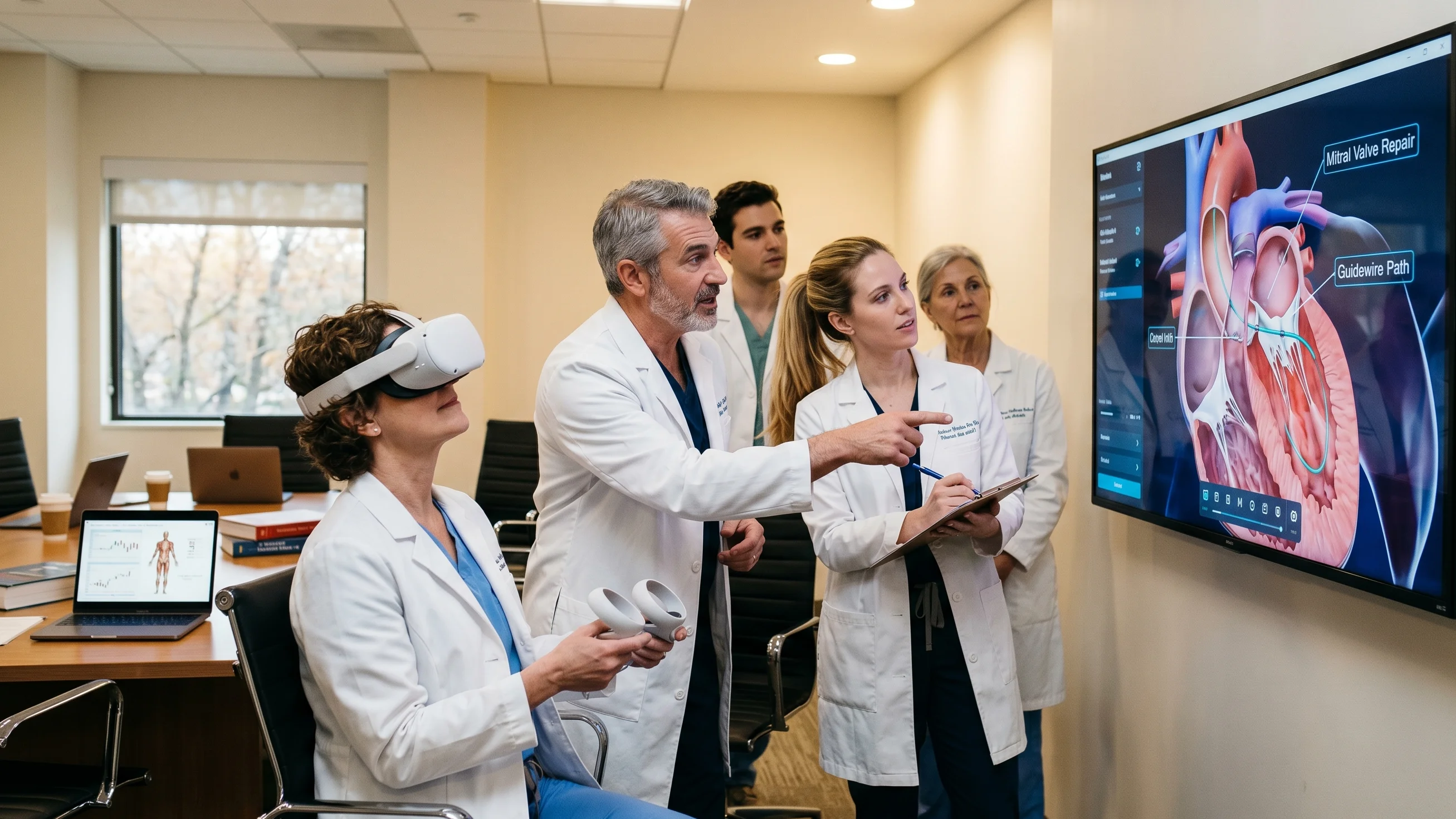
Table of contents
In 2026, virtual reality has moved beyond gaming and found a real place in healthcare. What once seemed experimental is now used to solve everyday challenges.
VR is used to speed up surgical training. It offers drug-free options for pain management and supports patient rehabilitation. As the market continues to grow, the impact of VR is becoming harder to ignore.
In this article, we share a list of 10 leading healthcare VR companies offering clinically validated solutions. If you plan to bring virtual reality into your practice, this list is a starting point for selecting a trusted partner.
How medical VR companies improve healthcare
Virtual reality was once considered niche tech, but not anymore. According to Fortune Business Insights, the global VR in healthcare market was valued at around $5.62 billion in 2025 and is projected to grow to $7.58 billion by the end of 2026.
The growing interest in medical VR is backed by measurable results:
-
Pain management & therapy. A 2025 meta‑analysis of 13 studies found that VR significantly reduced pain intensity during both procedural and non-procedural care in adults and children.
-
Medical training. Reviews highlight VR as a leading trend in medical simulation, enabling high‑fidelity, repeatable training for emergency scenarios, surgery, and team communication without patient risk. This shift toward immersive learning is effectively bridging the gap between theory and practice, allowing residents to gain hands-on VR-based clinical experience in a controlled environment.
-
Surgical planning & patient education. The VR market growth analysis highlights that the technology is also used to enhance patient education and pre‑operative counseling, allowing patients to visualize anatomy, procedures, and recovery steps. The result is reduced anxiety and improved understanding and consent quality.
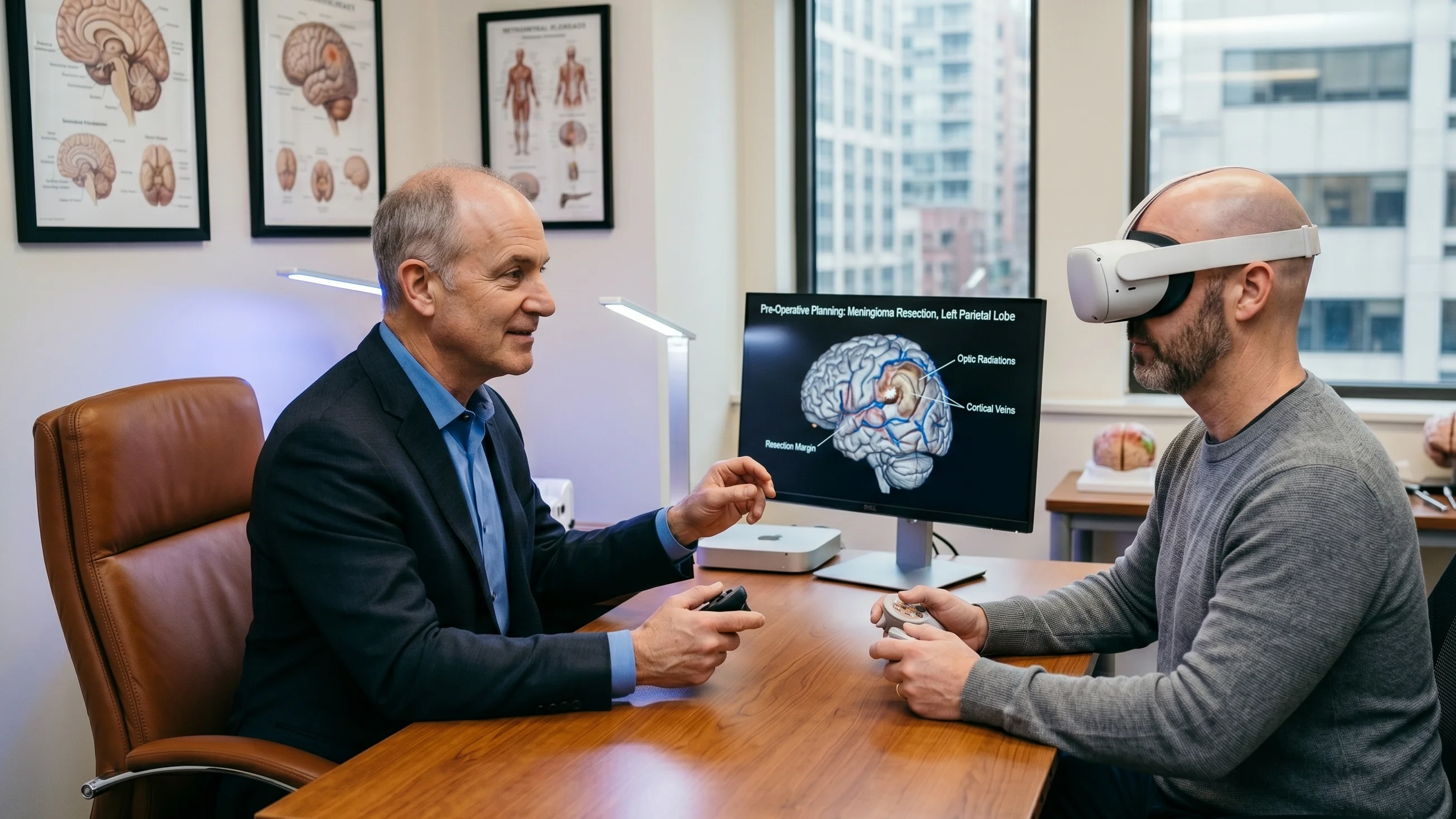
These outcomes represent the key benefits of VR use in healthcare and explain its increasing popularity for improving patient outcomes.
10 leading healthcare VR companies to consider in 2026
The following companies and digital platforms stand at the forefront of VR evolution in healthcare, each mastering a specific niche from 3D anatomy to clinical training.
1. VOKA
VOKA is a company specializing in 3D medical and scientific content production. Among the large variety of VOKA’s services, we should highlight VR experiences development.
VR custom solutions are used in medical training, education, therapy, and rehabilitation.
VOKA provides a wide range of technical solutions for specific needs. They include:
-
Showcase mode. Kiosk modes with spectator views to show VR experiences on external screens at conferences and meetings.
-
Hand-tracking & haptic feedback. Intuitive hand-tracking on supported hardware like the Meta Quest 3 or Apple Vision Pro. It features haptic integration to mimic the feel of tissue resistance.
-
Mixed reality in healthcare. Utilizes pass-through technology and special hardware to project digital holograms and 3D guidance directly onto the physical environment.
In addition to VR development, VOKA provides a large variety of 3D medical content production services. They include:
-
Creation of 3D medical animations about various therapeutic topics, such as cardiology, dermatology, dentistry, oncology, and many others.
-
Production of numerous types of medical and scientific content, including MoA, MoD, medical device and surgery animations, explainer videos, and much more.
-
Building custom 3D anatomy and pathology models along with high-quality medical renders.
-
Development of AR capabilities that put 3D anatomy and pathology models in a real-world environment.
2. Osso VR
Osso VR is one of the leading medical virtual reality platforms. They specialize in providing experiences tailored specifically for orthopedic healthcare training.
Osso’s key areas of expertise include:
-
Surgical training for early-career HCPs. The platform provides an extensive library of orthopedic procedures. They act as a risk-free, repeatable training environment for junior doctors.
-
Nurse training. Simulating real-world clinical procedures and challenges, such as insertion techniques and contamination prevention. As a result, nurses get acquainted with the end-to-end technical procedural workflows.
-
Medical planning and training. Using validated VR training modules for professionals to get familiar with particular procedures and new medical devices.
To achieve positive outcomes of VR-based orthopedic healthcare training, Osso has implemented several crucial features:
-
Various training modes. Users get access to “Practice” and "Test" modes. The first one offers step-by-step support and educational insights during a clinical scenario. The second one focuses on independent real-time performance.
-
Collaborative learning capabilities. Special collaboration training mode allowing multiple users to participate in one scenario.
-
Assessment and feedback. Implemented tracking and analytics capabilities used for measuring accuracy, efficiency, and performance.
To sum up, OssoVR is a platform that perfectly fits healthcare training needs, but it’s limited to the orthopedic area only.
3. SimX
SimX is a company with one of the most advanced VR medical simulation platforms. Their virtual reality ecosystem gives access to realistic, high-fidelity clinical and emergency scenarios.
The solutions provided by SimX include:
-
VR for nurses. Specially designed immersive training simulations. They allow nurses to master basic care, infection control, communication, medication administration, patient management, and much more.
-
VR for clinicians and medical students. Simulated sessions and real-world clinical cases to practice procedures, emergency responses, and decision-making.
-
VR for hospital systems. A specific environment for medical teams, allowing them to deal with virtual patients. They can improve clinical judgment and critical thinking in areas like mental health, pediatrics, ambulatory surgery, and more.
-
VR for EMS and pre-hospital. Providing training capabilities for dealing with high-risk, low-frequency cases, such as mass-casualty trauma.
-
VR for the military. Variety of emergency care scenarios for military medics, surgical teams, and pararescuemen. They can learn how to deal with heat stroke, blast injury, and tactical evacuation.
To make these solutions efficient, the company implements several features:
-
Multiplayer. Most virtual simulations allow 2–6 users to interact with one virtual patient or work within the same digital environment.
-
Assessment and reporting tools. Viewing action timestamps, reviewing performance, recording and repeating completed scenarios, and exporting tracking and assessment data.
-
Moderator tools. Screen recording, animation activation, state timer controls, and virtual dialogue control capabilities. They are available for mentors and facilitators to supervise and guide learners’ experience.
4. XRHealth
XRHealth is a company specializing in AI-powered extended reality solutions for patient care. Their VR-based therapeutic service includes:
-
Physical rehabilitation. Special simulations for motor and physical recovery.
-
Mental health treatment. Virtual environments for PTSD, anxiety, phobias, addiction, OCD, and stress management.
-
Pain management. Dedicated therapeutic programs for acute and chronic pain, arthritis, and back pain treatment.
It’s worth mentioning that XRHealth also develops dedicated hardware and software. The most prominent examples include:
-
XRHealth VR CBT Device. Medicare‑covered VR device for cognitive behavioral therapy.
-
XR CareCart. A plug‑and‑play VR rehab station for clinics and hospitals.
-
Impulsivity Measurement System. Patented XR‑based system using eye‑tracking and motion analysis for ADHD and TBI applications.
-
XRHealth 2.0 Platform. A unified XR therapeutic ecosystem for clinicians and patients.
5. AppliedVR
AppliedVR is a company building VR programs for at-home chronic pain management. They focus on non-pharmacological interventions to reshape how the brain perceives and processes pain.
AppliedVR’s core therapeutic pillars include:
-
Immersive CBT. Combining Cognitive Behavioral Therapy with mindfulness-based interventions in high-fidelity virtual environments.
-
Neuromodulation through VR. Utilizing special sequential therapeutic modules. They aim to retrain neural pathways and reduce the physiological burden of chronic pain.
-
At-home accessibility. A system where patients can receive high-level care outside of traditional clinical settings.
Key features and strategic goals:
-
FDA-authorized therapeutics. Evidence-based digital programs (like RelieVRx) that serve as a primary treatment for chronic lower back pain.
-
Reduction of medication reliance. Aiming to lower the use of opioids and other medications through immersive behavioral changes.
-
Patient autonomy. The platform empowers users to manage their condition independently. As a result, it reduces the long-term burden on healthcare systems.
6. VirtaMed
VirtaMed is a Swiss company specializing in realistic surgical simulators that combine high-end 3D graphics with physical haptic feedback. Their systems use physical anatomical models integrated with a virtual environment.
VirtaMed offers specialized simulators across a variety of major disciplines:
-
ArthroS. Orthopedic-centered training for knee, shoulder, hip, and ankle arthroscopy.
-
LaparoS. Focused on general surgery. It covers full laparoscopic workflows, from initial trocar placement to complex operative steps.
-
GynoS & UroS. Dedicated modules for obstetrics, gynecology (for example, hysteroscopy and embryo transfer), and urology (for example, TURP or BPH laser resection).
-
RoboS. Focused on robotic console ergonomics and surgical team coordination.
To ensure efficient medical training, VirtaMed implements:
-
Digital twins and haptics. High-fidelity VR graphics paired with physical resistance models to build authentic muscle memory.
-
AI-enhanced performance tracking. An AI-based metrics system on surgical training performance, measuring procedures’ accuracy and safety.
-
VirtaMed Connect. A cloud-based management system for hospitals and medical schools. It allows tracking the progress of entire residency programs at scale.
These systems are widely used in residency programs, surgical teams, and medtech companies. They provide skills acquisition, assessment, and device‑specific training.
7. SyncVR Medical
SyncVR Medical provides an all-in-one XR platform designed to simplify the implementation of virtual reality in European healthcare systems. It acts as a unified ecosystem that integrates dozens of specialized medical applications into a single space.
The solutions provided by SyncVR Medical include:
-
Patient-centric modules. Applications for pain and anxiety reduction, distraction therapy, and mental relaxation during unpleasant procedures.
-
Rehabilitation and physical therapy. Interactive games and exercises to improve motor skills and support recovery after surgery.
-
Clinical training. Educational apps for healthcare professionals to practice protocols and improve teamwork.
Additionally, the strengths of the platform include:
-
Extensive app library. Access to 45+ healthcare-specific applications through a single interface.
-
Enterprise adoption. A proven track record with implementation in over 250 healthcare organizations and 1,500 departments.
-
Full-cycle support. Providing a complete service package including hardware demos, staff onboarding, and workshops.
8. PrecisionOS
PrecisionOS provides high-fidelity, case-based virtual reality simulations specifically for the orthopedic surgical community. Their platform is known for its heavy emphasis on clinical validation and peer-reviewed research.
PrecisionOS’s areas of specialization include advanced orthopedic, podiatric, and minimally invasive surgery. They provide detailed simulations for complex procedures, including fracture labs and joint reconstruction. There are also specific modules for foot and ankle specialists, as well as evolving MIS techniques.
The key feature of the company's VR solutions is its system of AI-driven feedback. It provides real-time analytics that demonstrate instant performance metrics and technical insights.
9. FundamentalXR
FundamentalXR is a pioneer in the "HapticVR" space, focusing on the intersection of immersive graphics and the sense of touch. Their platform creates digital twin environments to simulate the precise reconstructions of medical procedures.
FundamentalXR’s cross-disciplinary solutions include:
-
Robotics and ophthalmology. High-precision training simulations for robotic-assisted surgery and delicate eye procedures.
-
Urology and orthopedics. Dedicated simulations providing diverse surgical workflows with a focus on instrument handling.
-
Injection training. Specialized modules for practicing precise needle placement and drug delivery.
To effectively implement these solutions, FundamentalXR leverages the following technical capabilities and features:
-
Fundamental core haptics. A sophisticated haptic engine that replicates the resistance and "feel" of human tissue and bone.
-
Multi-platform delivery. Deployment capability across both VR and web-based platforms.
-
Real-time enterprise analytics. Global dashboard designed for medical device companies and hospital chains to monitor training compliance and skill acquisition across entire organizations.
10. Oxford Medical Simulation
Oxford Medical Simulation focuses on high-fidelity clinical scenarios that prioritize decision-making, critical thinking, and communication. Their platform is designed for large-scale enterprise deployment across nursing and medical education.
The primary solutions offered by the company include:
1
Interdisciplinary scenarios.
A massive simulation library covering nursing, pediatrics, mental health, and allied health specialties.
2
Emergency and acute care.
High-pressure virtual cases that require rapid assessment, diagnosis, and team-based treatment.
Their platform also provides features aimed at enhancing the efficiency of the training sessions:
-
Dynamic AI patients. Virtual patients that respond realistically to treatment decisions, providing a unique experience in every scenario and every particular session.
-
Deep curriculum integration. Built-in competency tracking that aligns with national and international medical education standards.
-
Scalable assessment. Automated, AI-driven feedback that allows learners to debrief their own performance immediately without needing a physical mentor present.
How to choose the right VR healthcare company for your needs?
Selecting a VR partner in the healthcare sector is not limited only by the quality of the picture or hardware performance. As we see, the options are vast, but the best fit depends on your specific goals.
To make an informed choice, consider the following criteria.
Versatility
Some companies, like Osso VR or PrecisionOS, focus exclusively on specific medical fields. While excellent for surgeons and nurses in these niches, they may not always satisfy the needs of other specialties.
On the other hand, companies like VOKA or SimX demonstrate expertise in a vast range of areas and VR simulation types. Such companies allow you not just to leverage VR in several specific cases but to create a unified institutional strategy.
Technological depth
A good VR solution should feel like a natural extension of a clinician’s workflow. Therefore, you should look for features that enhance usability, such as:
-
Haptic feedback, essential for physical muscle memory.
-
Voice control, which is critical for hands-free interaction during training.
-
Vast integration capabilities, allowing LMS/EMR connection, and spectator modes for third-party devices.
Clinical validation and regulatory compliance
For therapeutic use, such as chronic pain management, FDA authorization is required, and this is where companies like AppliedVR and XRHealth lead the way. Additionally, for education and training, another priority is anatomical accuracy. Here, companies like VOKA stand out. The presence of an in-house medical team ensures that every organ, tissue layer, and pathology is rendered with scientific precision.
Customization and scalability
Off-the-shelf apps are great for quick and cost-effective implementation. However, medical institutions have unique protocols, while pharma and biotech companies always require custom solutions.
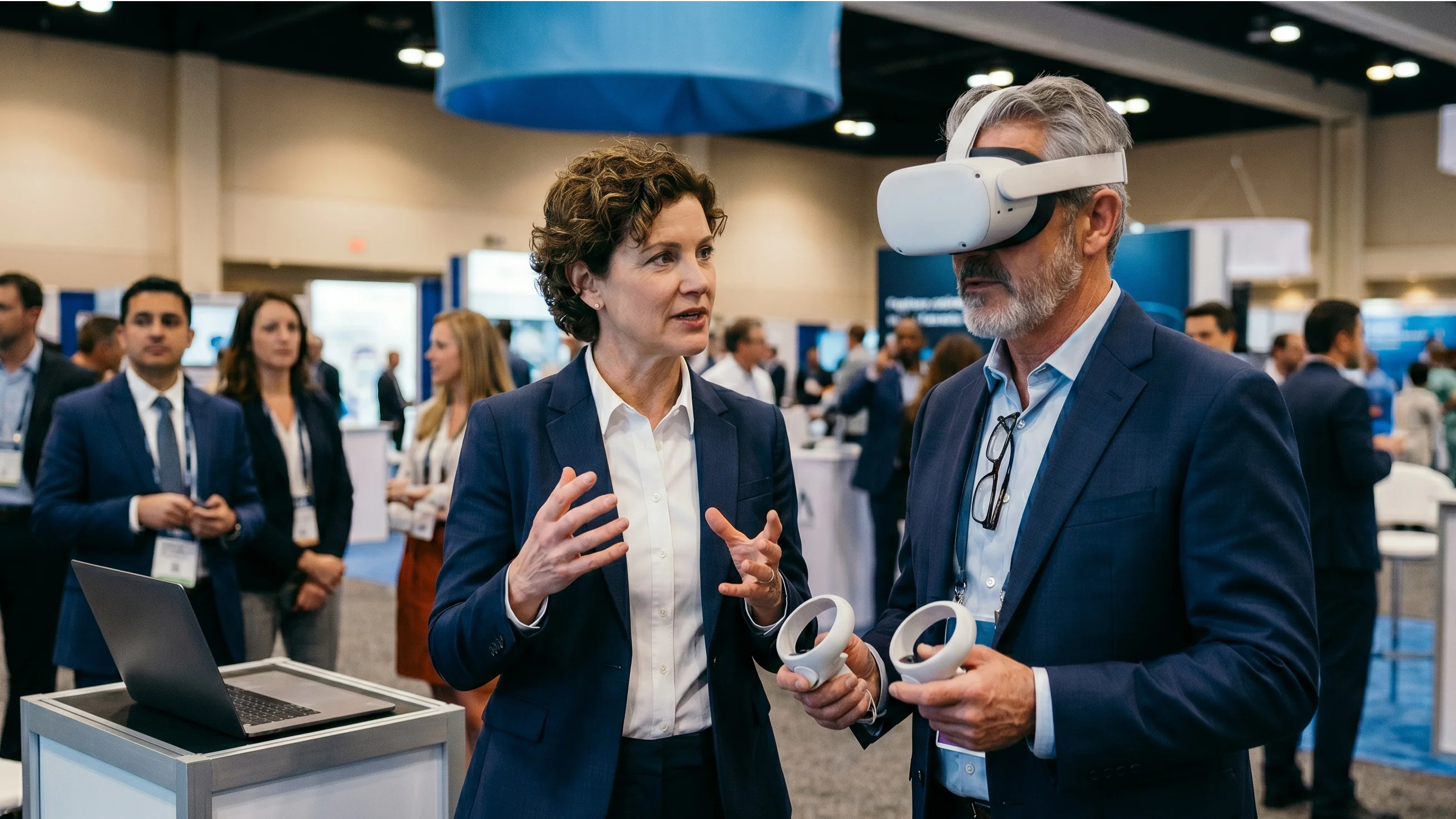
That is why you should look for vendors who can provide a specific "Showcase" mode to demonstrate the simulation at medical events or a custom-built anatomy puzzle for students’ training. In other words, the ability to tailor content to specific institutional needs defines the most desirable partner in 2026.
Conclusion
The rapid evolution of VR in 2026 confirms its role as a vital tool for the next generation of healthcare. The landscape is diverse, ranging from specialized simulators and surgical twins to full-scale therapeutic platforms and VR environments. The growth of this market will continue as AI integration and cloud-based management systems make these tools more accessible.
So, choosing the right partner requires a careful balance of technological depth, clinical accuracy, and the ability to scale. Whether you are looking to enhance investor affiliation, improve patient outcomes, or streamline clinical workflows, the right VR partner will help you to achieve that.
Looking for a reliable partner for 3D/VR medical visualization? Contact us and learn how VOKA can help your clinic or university achieve its digital transformation goals.
FAQ
1. What are the main applications of VR in healthcare?
Medical teams use VR to practice high-risk procedures safely and repeatedly. At the same time, patients use it for drug-free pain relief, stroke recovery, and specialized therapy for anxiety and PTSD.
2. What is the best VR medical training company?
The best choice depends on your goals. Some providers focus on surgical training, while others specialize in custom educational content. Choose a company with proven medical expertise and strong technical capabilities. If you're looking for high-quality 3D content and customizable learning experiences, VOKA is an option worth considering.
3. Are VR healthcare solutions FDA-approved?
Regulatory status depends entirely on the intended use of the software. FDA authorization is common for VR applications dealing with therapies. However, most training platforms are exempt because they function as educational tools. On the other hand, top-tier companies prioritize clinical validation and professional reviews to demonstrate the safety of their solutions.
4. How do medical VR companies improve patient outcomes?
VR improves healthcare by addressing both surgical precision and patient well-being. It provides doctors with safe environments to master procedures, effectively reducing errors and operative time. Simultaneously, it accelerates patient recovery by lowering stress and cortisol levels. In rehabilitation, VR’s gamified nature drives higher engagement and better long-term functional results than conventional methods.
5. How much does it cost to implement VR in a hospital?
The cost depends on the scope of implementation. Small-scale programs might start between $25,000 and $75,000, covering a few headsets and basic software licenses. For larger hospital setups with custom simulations, multiplayer features, and EMR integration, costs can range from $100,000 to $500,000+. Some providers also offer subscription pricing, where hospitals pay a monthly fee per user. This ensures constant software updates, cloud-based analytics, and 24/7 technical support.
Make VOKA your preferred source
See more VOKA articles in Google Search

Share
Table of contents

Thank you for your comment!
Your comment has been submitted for moderation and will be published soon. We'll email you once it’s live.